Editable Canva Business Card #49: Your Brand's First Impression
There's a specific moment in every professional interaction that sets the tone. It's the handshake, the first few words, and—more often than not—the exchange of contact information. In a world saturated with digital noise, a tangible, well-designed business card remains a powerful tool. It’s a physical artifact of your brand, a mini-billboard that someone carries with them. But what if that card feels generic, templated, or fails to capture the essence of what you do? This is where the right design asset becomes invaluable, transforming a simple piece of cardstock into a conversation starter. The Editable Canva Business Card #49 is built for this exact purpose: to provide a sleek, modern foundation that you can mold into a true extension of your professional identity.
A Canvas for Modern Professionalism
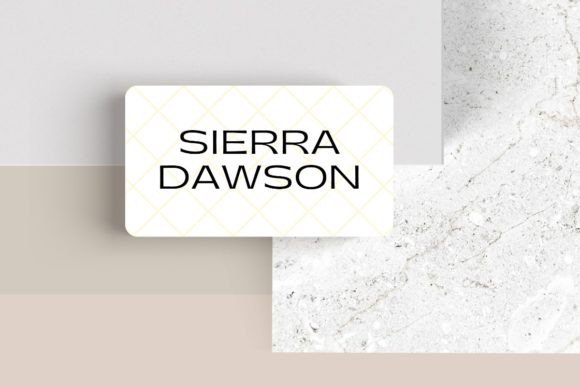
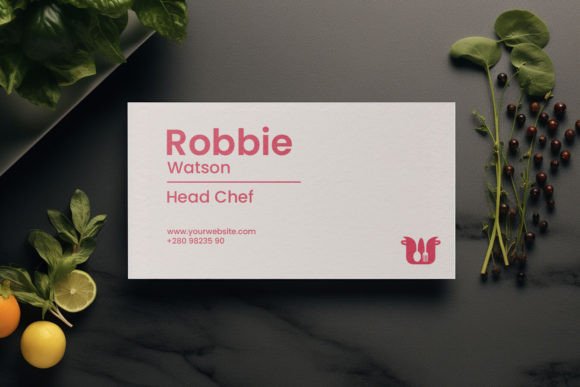
At its core, this template is about clean lines and intentional space. The design leans into contemporary aesthetics—think balanced layouts, strong typographic hierarchy, and a structure that guides the eye naturally from your name to your title and contact details. It avoids the clutter that can make a card feel cheap or chaotic. Instead, it offers breathing room, allowing each element to have its own impact. The visual appeal lies in its versatility; the framework is intentionally neutral enough to adapt to a wide range of industries, from a freelance graphic designer to a boutique real estate agent or a tech startup founder. It’s a modern typeface playground, where the choices you make in customization directly communicate your brand's personality.
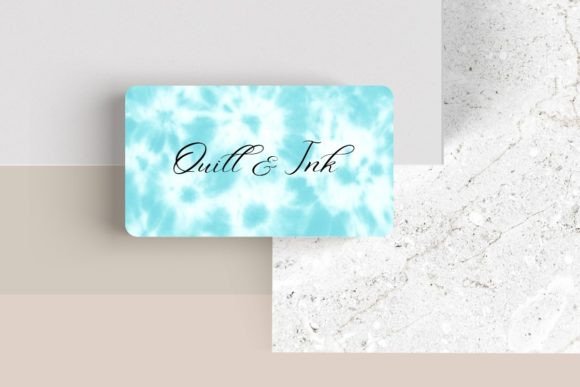
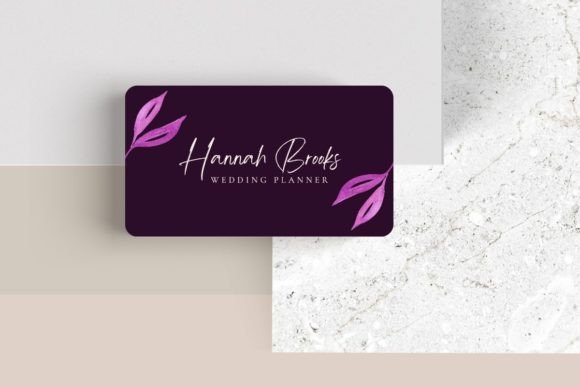
The real power, however, is unlocked through Canva's editor. You're not just changing the text. You have granular control over every design decision. This means you can swap the default sans serif font for a more expressive serif font to convey tradition and trust, or opt for a handwritten script font for a creative, personal touch. You can adjust the kerning and leading of your chosen typeface to perfect the readability and flow. The color palette is entirely yours to command, allowing you to precisely match your existing brand guidelines. Beyond text, you can integrate your logo seamlessly, move elements to create a new focal point, or add subtle graphic touches like a patterned background or an icon that speaks to your services. This level of customization ensures your business card doesn't just carry information—it tells a story.
From Networking Event to Brand Ecosystem
While the primary output is a professional business card, the design principles and assets you develop while customizing this template have a ripple effect across your entire visual identity. The font pairing you settle on for your card—perhaps a bold display font for your name paired with a clean sans serif for details—can become the cornerstone of your brand's typography. This consistency is crucial for building recognition. The same typeface choices should inform your website headings, your social media graphics, and your email newsletters.
Think about the practical applications beyond the 3.5″ x 2″ rectangle. The color scheme you perfect for your card is the same palette you'll use for your Instagram story backgrounds, your blog post featured images, and your packaging design. If you add a secondary logo mark or a unique graphic element to your business card, that asset can be repurposed as a favicon for your website, a watermark for your digital products, or a stamp on your merchandise. This template acts as a starting point for a cohesive brand identity system. It encourages you to think about how your logo, typography, and color work together not just in isolation, but as a unified language that appears everywhere your brand has a presence—from a printed poster at a local market to the header of an editorial layout in a digital magazine.
Making Strategic Design Choices
Customization is a powerful tool, but it requires a strategic approach. The first step is to define the goal of your business card. Is it to convey utmost professionalism and stability? A serif font like a classic Garamond or a modern transitional serif might be your best choice, paired with a deep navy or charcoal color scheme. Are you aiming for innovative and approachable? A geometric sans serif font with a vibrant accent color could work wonders. For creative fields like photography or art, a script font or a more expressive display font can inject personality, but always test it for legibility at small sizes.
Font pairing is where many designs succeed or stumble. A good rule of thumb is to combine a font with high personality (like a script or bold display font) with a more neutral, highly readable workhorse (like a clean sans serif). The Editable Canva Business Card #49 template gives you the flexibility to experiment. Try pairing a serif font for your name with a sans serif for your contact information. Use weight and size to create hierarchy, not just different fonts. Always print a test copy. What looks sharp on screen can sometimes bleed or become fuzzy on certain card stocks, especially with very thin or very intricate font styles.
Remember, every element on the card should earn its place. Your logo is paramount. Ensure it's placed with enough margin and isn't competing with your typography. If you add additional photos or graphics, they should enhance the message, not distract from the essential contact information. Consider the back of the card as prime real estate for a secondary message, a QR code linking to your portfolio, or a bold, full-bleed version of your logo. This is your chance to reinforce your brand identity without cluttering the primary contact side.
The Lasting Value of a Tangible Brand Touchpoint
In an era of fleeting digital connections, a thoughtfully designed business card is a deliberate act of professionalism. It shows foresight and care. It provides a sensory experience—a specific paper weight, a matte or gloss finish—that digital communication simply cannot replicate. When you hand someone a card that feels substantial and looks impeccably designed, you're communicating that you value quality and attention to detail in all aspects of your work.
The Editable Canva Business Card #49 is more than just a template; it's a gateway to building a more consistent and recognizable brand. By starting with a strong, adaptable design, you're empowered to make intentional choices about your typography, color, and layout—choices that will inform your marketing assets, your web design, and your overall visual communication. It’s an investment in a design asset that pays dividends every time you network, every time a client looks at your card, and every time that small piece of paper reminds someone of the professional and style you represent. Take the time to customize it thoughtfully, and it will do more than just share your contact information; it will share your story.