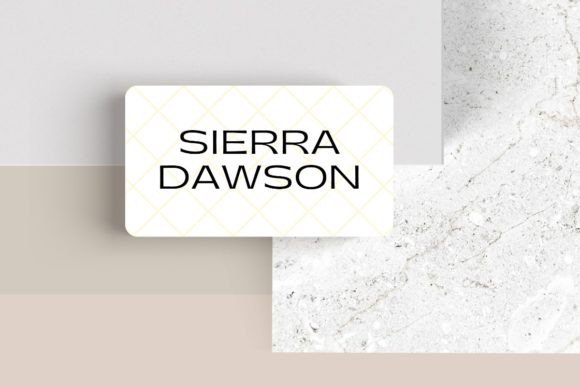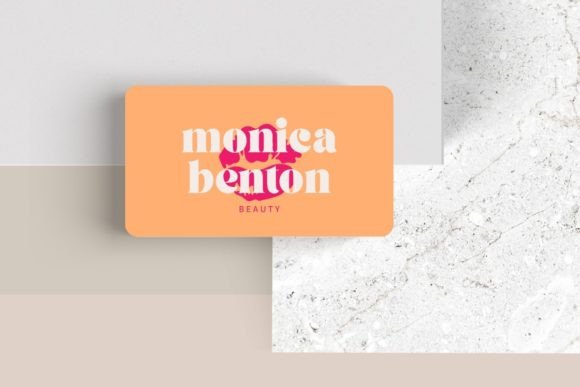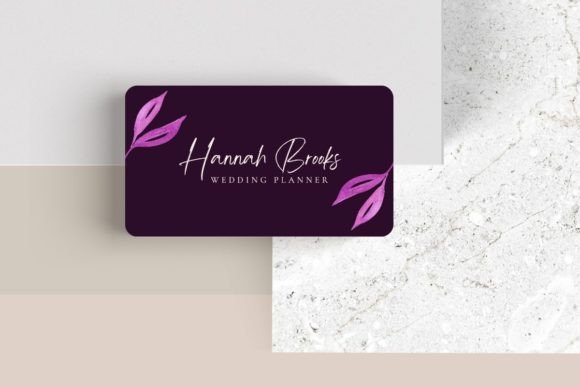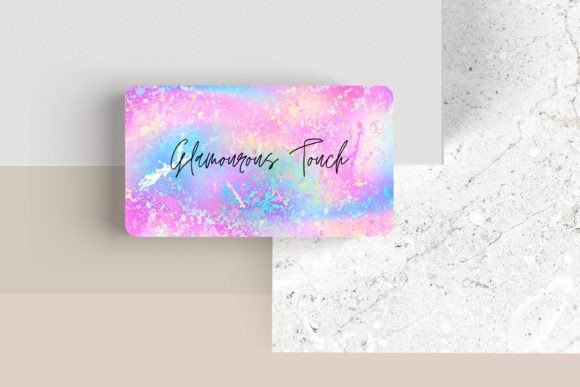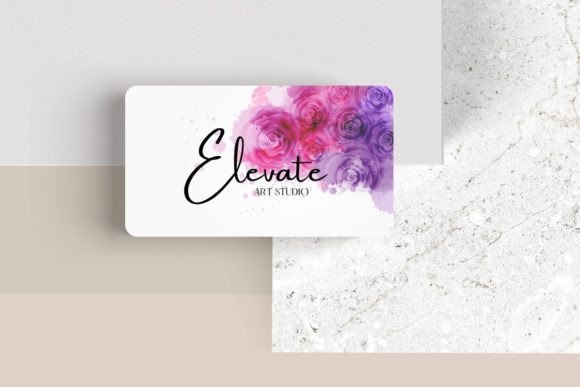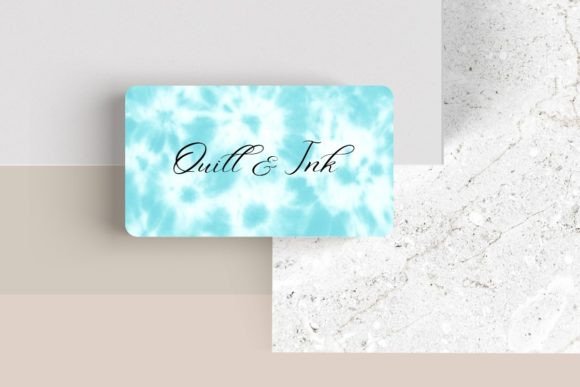
Editable Canva Business Card #56: Your Brand, Your Way
You know the feeling. You're at a networking event, a local market, or a casual coffee meeting, and you hand over your business card. There's a brief moment of silence as the other person glances at it. In that split second, your card does all the talking. Is it saying, "I'm generic and forgettable," or is it saying, "I'm professional, creative, and exactly who you need to work with"? If you've been settling for the former, it's time for a change. The Editable Canva Business Card #56 isn't just a template; it's a starting point for a conversation, a tangible piece of your brand identity that you have complete control over.
What makes this particular template so effective is its foundation in clean, modern design principles. It avoids clutter and trendy gimmicks that might date quickly, focusing instead on a balanced layout that prioritizes your information. The visual appeal lies in its simplicity and adaptability. It acts like a well-tailored suit—it looks fantastic as-is, but it truly shines when it's customized to fit you perfectly. The ample white space ensures your details are easy to read, while the strategic placement of elements guides the eye naturally from your name and title to your contact information and logo. This thoughtful structure provides the professional presentation that builds immediate trust.
Beyond the Handshake: Practical Applications for a Cohesive Brand
While the primary function is a 3.5″ x 2″ business card, thinking of this asset in isolation is a missed opportunity. The real power of a design like Editable Canva Business Card #56 is how it can seed a consistent visual language across your entire brand ecosystem. The fonts, color palette, and spatial harmony you establish on the card should echo in other materials.
Consider your logo design. The template's layout can help you think about how your logo interacts with text—does it sit above, beside, or integrate with your brand name? This same relationship informs your packaging design. A product label needs the same clarity and hierarchy. The color scheme you choose for your card can become the primary palette for your social media graphics, creating an instant visual connection for your audience as they scroll. The typography style you settle on—perhaps a crisp sans serif for your name and a complementary script for a tagline—can be carried onto your website and blog, ensuring that from digital to print, your brand feels unified and recognizable. This consistency is what transforms a casual observer into a loyal customer.
Customization That Tells Your Story
The true value of an editable template is in the details you control. This isn't about just inserting your name and number. It's about making deliberate choices that reflect your brand's personality.
Start with the font, font color, and size. Are you a consultant who values clarity and authority? A strong, geometric sans serif in a dark charcoal might be your best bet. A freelance photographer or artisan baker? A touch of an elegant script or a friendly, rounded typeface could convey warmth and creativity. The ability to change the font color means you're not stuck with black and white. A deep navy, forest green, or even a muted terracotta can add a layer of sophistication and distinctiveness that monochrome cannot.
Next, add your logo. This is non-negotiable for brand recognition. The template is designed with space to accommodate a logo without making the layout feel cramped. Then, move elements around. Don't be afraid to experiment. Maybe your logo looks better on the back. Perhaps a thin line separating your details from a background pattern would add a nice touch. You can even add additional elements—a subtle texture, a small icon representing your service, or a QR code that links directly to your portfolio. Each adjustment is a chance to infuse more of your unique story into the design.
Making Smart Design Choices: A Practical Guide
Customization is liberating, but it helps to have a strategy. Here are a few practical tips to ensure your final design is both beautiful and functional:
- Choose Your Primary Typeface Wisely. This is the font that will carry your name and main title. It should be highly legible at small sizes. A premium font with multiple weights (light, regular, bold) offers great flexibility. Test it by printing a draft—can you read it easily from an arm's length?
- Master the Font Pairing. The magic often happens with a combination. A common and effective strategy is pairing a sans serif font for headlines with a serif font for body text, or vice-versa. The key is contrast, not conflict. They should complement each other, not compete. The template's structure makes it easy to test these font pairing ideas visually.
- Prioritize Readability Above All. A beautiful script font or a bold display font can be tempting, but if your phone number is illegible, the card has failed its primary mission. Reserve decorative fonts for your name or a tagline, and use a clean, simple font for essential contact details.
- Consider Your Audience. A card for a corporate law firm will have a different tone than one for a yoga studio. Let the template's modern typography adapt to your field. The goal is to meet audience expectations while still standing out.
Finally, always double-check the commercial licensing of any fonts or graphic elements you import into Canva to ensure you have the right to use them for your business. The beauty of using a template from a reputable source is that this groundwork is often already laid for you, providing a safe and reliable design asset.
The Editable Canva Business Card #56 is more than just paper; it's a portable piece of your brand's promise. It’s a tool that, when customized with intention, helps you build visual consistency, strengthen brand recognition, and present yourself with the professionalism you deserve. In a world of digital noise, having a physical artifact that feels considered and authentic is a powerful way to connect. So, open the template, play with the elements, and create a card that doesn't just share your information—it starts a conversation about who you are and the quality you deliver.