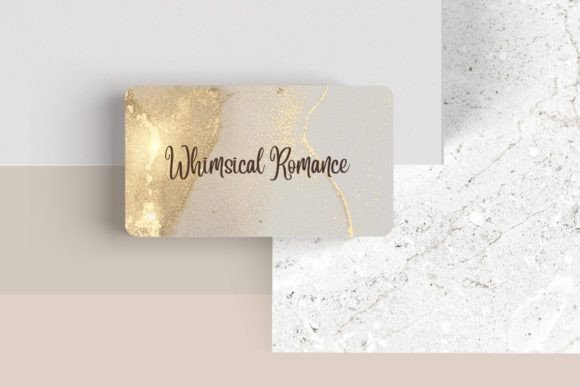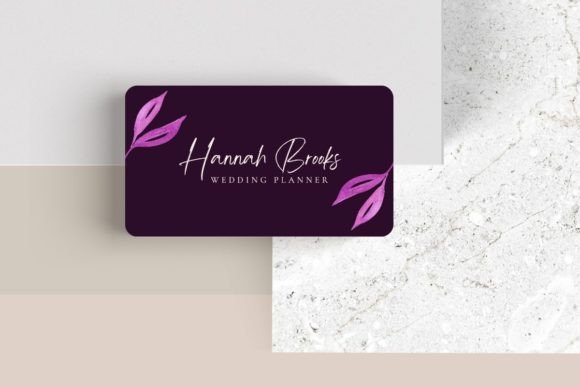
Editable Canva Business Card #31: Your Branding Game-Changer
First impressions happen fast. In the time it takes to shake hands, your business card has already started telling your story. That small rectangle of cardstock carries enormous weight—it's a physical handshake that stays behind long after you've walked away. If your current card feels generic, forgettable, or doesn't reflect who you are as a professional, it might be time for an upgrade. The Editable Canva Business Card #31 offers a fresh, modern foundation that puts creative control directly in your hands without requiring advanced design skills.
What Makes This Template Stand Out
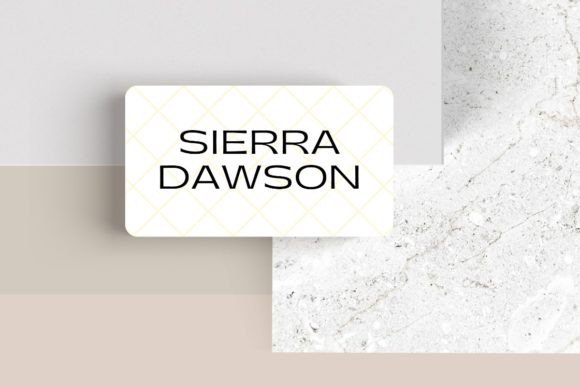
The Editable Canva Business Card #31 strikes a balance between contemporary minimalism and bold visual presence. Its layout uses clean lines, strategic white space, and a structured grid that guides the eye naturally from your name to your title, contact information, and any additional details you want to include. The design avoids clutter while still leaving room for personality. You're not locked into a rigid format—every element can be repositioned, resized, or restyled to match your aesthetic preferences.
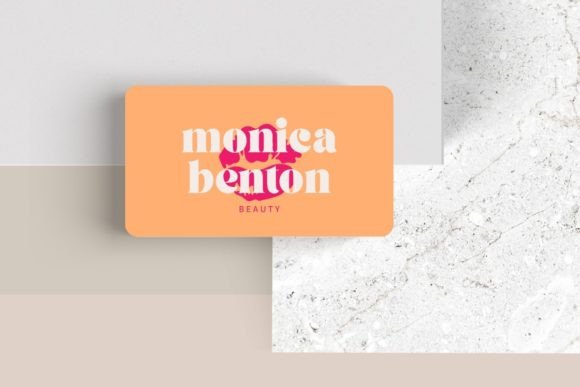
What sets this template apart from thousands of others floating around Canva's library is its thoughtful composition. The typography hierarchy is already dialed in, meaning your name will command attention while supporting details remain legible without competing for focus. Color accents are placed intentionally, giving you a starting point that looks polished even before you begin customizing. Whether you gravitate toward earthy neutrals, vibrant pops of color, or monochromatic schemes, the template adapts beautifully.
Tailoring Every Detail to Your Brand
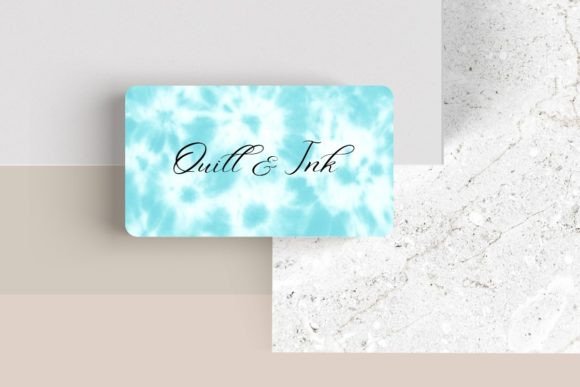
Customization is where this template truly shines. You can swap out fonts to match your existing brand guidelines—whether that means a sharp sans serif font for a tech startup or a flowing script font for a boutique creative studio. Font color and size adjustments take seconds in Canva's intuitive editor, so experimenting with different combinations requires zero guesswork.
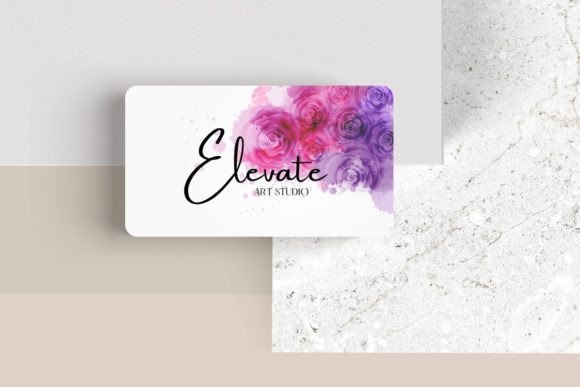
Adding your logo is straightforward. Simply upload your file, drag it into position, and resize as needed. If your logo includes specific brand colors, you can pull those hex codes directly into the template's color palette for seamless consistency. The ability to move elements around means you're not stuck with the default arrangement. Want your logo front and center? Shift it. Prefer contact details along the bottom edge instead of the side? Rearrange them. Need to add a secondary image, a QR code, or an additional icon? Drop it right in.
This flexibility matters because your business card should function as a natural extension of your broader brand identity. When someone picks up your card and then visits your website or scrolls through your social media graphics, the visual language should feel cohesive. A mismatched card creates subconscious friction—people might not articulate why something feels off, but they sense it.
Real-World Applications Beyond Networking
While the primary purpose of a business card is obvious, the Editable Canva Business Card #31 serves multiple creative and commercial functions. Freelancers often use customized versions as appointment cards or thank-you inserts for client packages. Photographers and designers slip them into portfolio mailers. Etsy sellers tuck them into product shipments as a branded touchpoint that encourages repeat business.
Content creators and bloggers benefit from having a physical card at conferences, meetups, and collaborations. Instead of fumbling with phone screens or hoping someone remembers your Instagram handle, you hand over something tangible. That tactile element creates a psychological anchor—people are far more likely to follow up with a contact they can hold.
Small business owners can adapt the template for packaging inserts, loyalty cards, or referral incentives. Marketing professionals might create variations for different campaigns or product lines, maintaining visual consistency while tailoring messaging to specific audiences. The template's dimensions—3.5 inches by 2 inches—follow standard business card sizing, which means any print shop can produce them without custom adjustments or additional costs.
Typography Choices That Actually Work
Choosing the right font style for your business card requires thinking beyond personal taste. A handwritten font might feel charming, but if your target audience is corporate clients, it could undermine credibility. Conversely, a rigid serif font might feel too formal for a creative workshop or artisan brand. The key is matching typography to your project goals and audience expectations.
When customizing Editable Canva Business Card #31, start by reviewing the font styles already included. Canva offers access to premium font options and creative font libraries that range from modern display font selections to elegant serif font classics. Test a few pairings before committing—place your name in one style and your contact information in another, then step back and evaluate readability at actual card size. What looks gorgeous on a 27-inch monitor might become illegible when printed at 3.5 by 2 inches.
A practical approach involves selecting no more than two typefaces for your card. One handles headlines and your name. The other manages secondary information like phone numbers, email addresses, and taglines. This restraint prevents visual chaos and ensures your card reads clearly at a glance. If you're uncertain about font pairing, Canva's built-in suggestions can point you toward combinations that experienced designers rely on regularly.
Building Visual Consistency Across Every Touchpoint
Your business card doesn't exist in isolation. It's one piece of a larger brand identity puzzle that includes your website, social media graphics, packaging design, print materials, email signatures, and digital products. When all these elements share consistent typography, color schemes, and visual tone, brand recognition compounds over time. People begin associating specific colors and typefaces with your business before they even read the words.
The Editable Canva Business Card #31 works particularly well as a foundational template because its clean structure translates across formats. Pull the same color palette into your Instagram posts. Use identical font pairings on your website headers. Carry the layout logic into presentation decks or editorial layouts. This kind of cross-platform consistency signals professionalism and builds trust with your audience.
Consider creating a simple brand reference sheet as you customize your card. Note the exact hex codes for your chosen colors, the specific font names and weights you've selected, and the spacing ratios between elements. This documentation saves enormous time when you're designing marketing assets, merchandise, invitations, or posters down the road. Instead of reinventing the wheel each time, you reference your established system and maintain cohesion effortlessly.
Practical Tips Before You Print
Once your design feels right, resist the urge to order 500 copies immediately. Print a small test batch first. Evaluate the paper stock, ink saturation, and how the colors translate from screen to physical product. Digital screens emit light; printed materials reflect it. Colors often shift during this transition, sometimes dramatically. A vibrant coral on your monitor might print as muddy peach on uncoated cardstock.
Check readability under different lighting conditions. Hold the card at arm's length—can you still parse the essential information? Hand it to someone unfamiliar with your brand and ask them to read it back to you. Fresh eyes catch issues you've become blind to after staring at the same design for hours.
Also verify that your logo file resolution is high enough for print. Canva handles most image formats gracefully, but low-resolution uploads will appear pixelated or blurry when printed at standard business card dimensions. Aim for at least 300 DPI at actual print size to ensure crisp results.
The Editable Canva Business Card #31 gives you a professional starting point with enough creative freedom to make it genuinely yours. Whether you're launching a new venture, refreshing an outdated brand presence, or simply wanting something that feels more intentional than a generic template, this design delivers real value. Your business card should work as hard as you do—make sure it does.