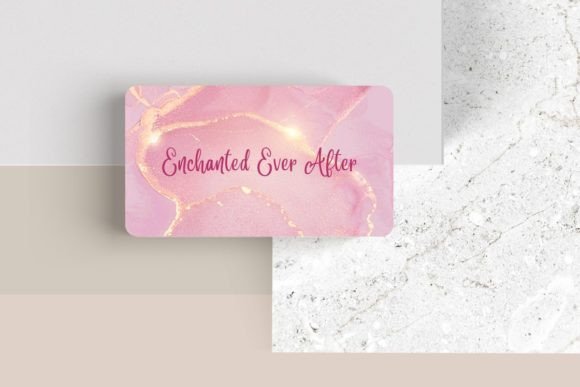
Editable Canva Business Card #70: A Template for Modern Professionals
That moment at a networking event when you hand over your business card speaks volumes. It’s more than just a piece of paper with contact details; it’s a tangible representation of your brand’s first impression. A generic, forgettable card can undermine your professionalism, while a thoughtfully designed one opens doors and starts conversations. For many entrepreneurs and creatives, the challenge isn’t having a great business idea—it’s translating that idea into a polished, cohesive visual identity. This is where a versatile design asset like the Editable Canva Business Card #70 becomes an invaluable tool, bridging the gap between a brilliant concept and a professional presentation.
More Than a Template: A Foundation for Your Visual Identity
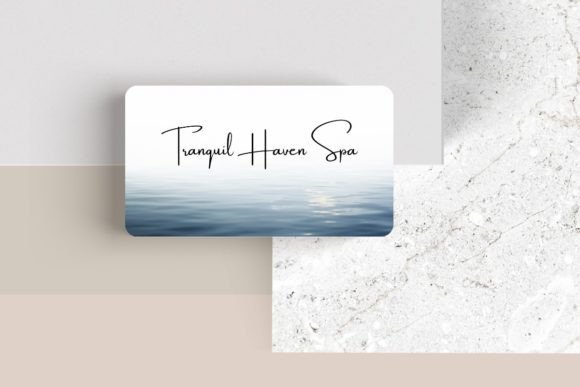
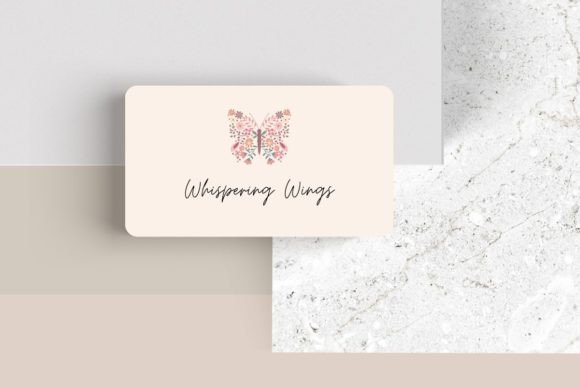
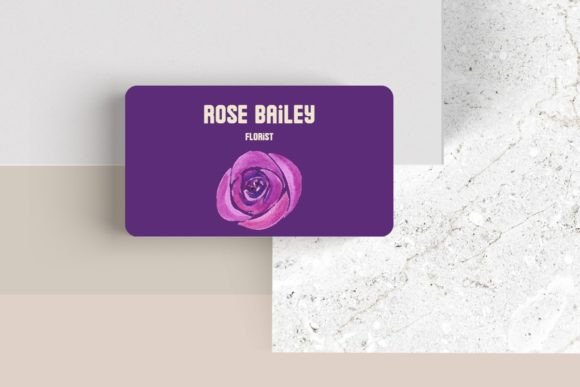
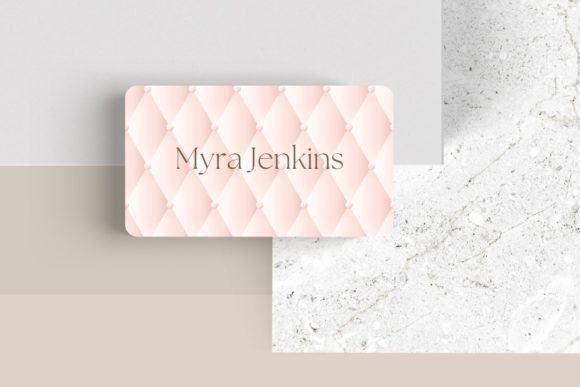
At its core, Editable Canva Business Card #70 is a sleek, modern template designed within the accessible Canva platform. Its visual appeal lies in its balanced layout and contemporary typography, which provide a clean canvas rather than a rigid prescription. The design avoids trendy elements that might date quickly, focusing instead on timeless structure. This makes it a superb starting point for building a brand identity that feels both current and enduring. The true value, however, is in its complete editability. You’re not just filling in blanks; you’re actively designing. You can adjust the font, font color, and size, add your logo, and move elements around to create a layout that feels uniquely yours. This level of control is critical for achieving visual consistency across all your materials.
Think of this template as a core component of your broader design system. The same typographic choices and color palette you establish on your business card can be seamlessly carried over to create social media graphics, website headers, and packaging design. This repetition is what builds brand recognition. When a client sees the same clean sans-serif font on your Instagram post, your email signature, and your invoice, it reinforces a cohesive and professional image. The template’s standard 3.5″ x 2″ dimensions ensure your card will print perfectly, but the design principles within it are scalable for any project.
Practical Applications Across Your Brand Ecosystem
The flexibility of an editable template extends far beyond the business card itself. By mastering the design elements within Canva, you can repurpose them for a multitude of projects, ensuring every touchpoint with your audience is on-brand.
- Digital Products & Marketing Assets: Use the same layout structure to design elegant digital product covers, lead magnet PDFs, or webinar slides. The consistent use of typography and spacing creates a professional feel for your marketing assets.
- Print Materials & Invitations: The design’s clarity translates beautifully to other print materials like thank-you notes, appointment cards, or event invitations. The readability of the chosen fonts ensures your message is communicated clearly on any physical medium.
- Social Media & Web Presence: Extract the color codes and font styles to create a suite of social media graphics. Apply them to quote cards, promotional banners, and story templates. This same system can guide your web design choices, from button text to headline fonts, fostering a seamless user experience.
- Merchandise & Packaging: For product-based businesses, the logo-centric design is perfect for mockups on merchandise or as a starting point for packaging design labels and tags. The modern aesthetic appeals to a broad consumer base.
This approach turns a single design asset into a cornerstone of your entire visual strategy, saving time and ensuring coherence.
Making Informed Design Choices for Your Brand
While the template provides a fantastic starting point, the real magic happens when you customize it with intention. This is where your understanding of your own brand meets practical design execution.
Choosing the Right Font Style: The template likely includes a mix of a sans serif font for clean body text and a complementary display font or serif font for headings. Don’t change these just for the sake of change. Ask yourself: does this font personality match my brand? A tech consultant might stick with the crisp sans-serif, while a boutique baker might explore swapping a heading font for a more elegant script font. Canva’s library offers endless premium font options, but restraint is key. Your goal is clarity and brand alignment, not font overload.
Testing Font Pairings and Readability: If you do experiment with new fonts, always test them in context. Reduce the preview to actual size. Can you read the contact information easily? Is there a clear hierarchy between your name, title, and phone number? Effective font pairing creates visual interest without sacrificing readability. A common and reliable pairing is a bold sans-serif for names paired with a lighter weight or a simple serif for details.
Considering Commercial Licensing: A critical, often overlooked step is understanding the licensing for any fonts or elements you use. While Canva provides a vast library for commercial use, if you upload your own commercial font or graphic, you must ensure you have the proper license for its use in your final distributed designs. This due diligence protects your business legally.
Ultimately, a tool like Editable Canva Business Card #70 empowers you to take control of your brand’s visual narrative. It’s not about having a perfect card; it’s about having a consistent, professional, and adaptable foundation that makes every interaction—from a handshake to a website visit—reflect the quality and care you put into your work. By thoughtfully customizing this template, you’re not just creating a business card; you’re building a recognizable brand, one cohesive detail at a time.